Simbang Gabi (Advent Masses)
A nine-day novena of Advent Masses before Christmas
Roman Catholicism is the largest religion in the Philippines and teaches people to love God, pray, and care for others, and many Filipino traditions like Christmas, fiestas, and going to church come from this faith.
Discover the Beautiful Churches at the Heart of Filipino Culture
The Philippines is home to many beautiful and historic Catholic churches — from Spanish-era stone buildings to modern basilicas where Filipinos gather to pray and celebrate.
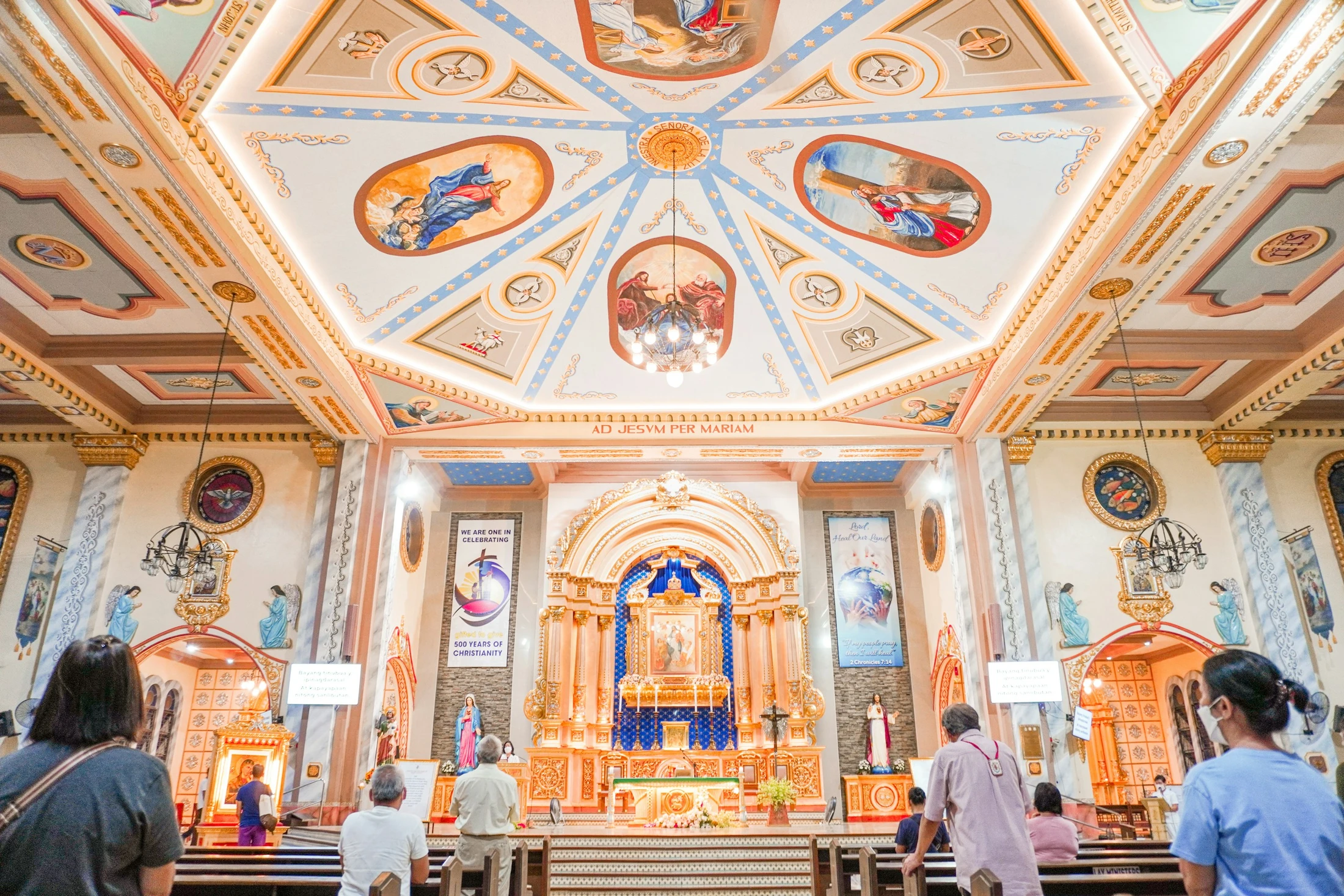
Quiapo Church (Minor Basilica of the Black Nazarene) — Quiapo, Manila Home of the famous Black Nazarene devotion, this church is known for huge crowds of pilgrims and deep Filipino faith traditions.
Manila Cathedral — Intramuros, Manila Often called the mother church of the Philippines, it is a historic landmark at the heart of Catholic life in Manila.
San Agustin Church — Intramuros, Manila The oldest stone church in the Philippines and a UNESCO World Heritage Site known for its beautiful Baroque architecture.
Basilica Minore del Santo Niño — Cebu City, Cebu One of the country’s most beloved pilgrimage churches, it houses the centuries-old image of the Santo Niño de Cebu.
Our Lady of Manaoag Basilica — Manaoag, Pangasinan A major pilgrimage destination where many devotees come to pray to Our Lady of Manaoag for healing and blessings.
Antipolo Cathedral — Antipolo, Rizal A popular hilltop pilgrimage church dedicated to Our Lady of Peace and Good Voyage, especially visited by travelers and bikers.
Paoay Church — Paoay, Ilocos Norte Famous for its massive buttresses and earthquake-resistant design, this church is one of the most iconic heritage churches in the Philippines.
Taal Basilica (Basilica of St. Martin of Tours) — Taal, Batangas Known as one of the largest Catholic churches in Asia, it stands as a grand symbol of Spanish-era faith and architecture.
Barasoain Church — Malolos, Bulacan A historic church closely tied to Philippine independence and the First Philippine Republic.
San Sebastian Basilica — Quiapo, Manila Unique for being the only all-steel church in Asia, featuring stunning neo-Gothic architecture.
Miagao Church — Miagao, Iloilo A UNESCO World Heritage church famous for its intricate façade that blends Catholic and local Filipino imagery.
Santa Maria Church — Santa Maria, Ilocos Sur A hilltop fortress-style church recognized by UNESCO for its strong colonial-era architecture.
Baclayon Church — Baclayon, Bohol One of the oldest stone churches in the country, known for its preserved religious artifacts and heritage value.
Daraga Church — Daraga, Albay A scenic hilltop church admired for its detailed façade and views of the nearby Mayon Volcano.
Binondo Church — Binondo, Manila One of the oldest churches serving the Chinese-Filipino community, located in the world’s oldest Chinatown.
Jaro Cathedral — Iloilo City, Iloilo A prominent Visayan cathedral famous for its separate bell tower and devotion to Our Lady of Candles.
Loboc Church — Loboc, Bohol
Learn how to pray Traditional Catholic Prayers in Tagalog
Tagalog
Ama namin, sumasalangit Ka, sambahin ang ngalan Mo;
mapasaamin ang kaharian Mo; sundin ang loob Mo,
dito sa lupa para nang sa langit.
Bigyan Mo kami ngayon ng aming kakanin sa araw-araw,
at patawarin Mo kami sa aming mga sala,
para nang pagpapatawad namin sa mga nagkakasala sa amin.
At huwag Mo kaming ipahintulot sa tukso, at iadya Mo kami sa lahat ng masama. Amen.
English
Our Father who art in heaven, hallowed be Thy name.
Thy kingdom come, Thy will be done on earth as it is in heaven.
Give us this day our daily bread,
and forgive us our trespasses, as we forgive those who trespass against us.
And lead us not into temptation, but deliver us from evil. Amen.
Tagalog
Aba Ginoong Maria, napupuno Ka ng grasya,
ang Panginoong Diyos ay sumasaiyo.
Bukod Kang pinagpala sa babaeng lahat
at pinagpala naman ang Iyong anak na si Hesus.
Santa Maria, Ina ng Diyos, ipanalangin Mo kaming makasalanan,
ngayon at kung kami’y mamamatay. Amen.
English
Hail Mary, full of grace, the Lord is with thee.
Blessed art thou among women, and blessed is the fruit of thy womb, Jesus.
Holy Mary, Mother of God, pray for us sinners,
now and at the hour of our death. Amen.
Tagalog
Luwalhati sa Ama, sa Anak, at sa Espiritu Santo,
gaya noong una, ngayon, at magpakailanman, at magpasawalang hanggan. Amen.
English
Glory be to the Father, and to the Son, and to the Holy Spirit,
as it was in the beginning, is now, and ever shall be, world without end. Amen.

Simbang Gabi (Advent Masses)
A nine-day novena of Advent Masses before Christmas
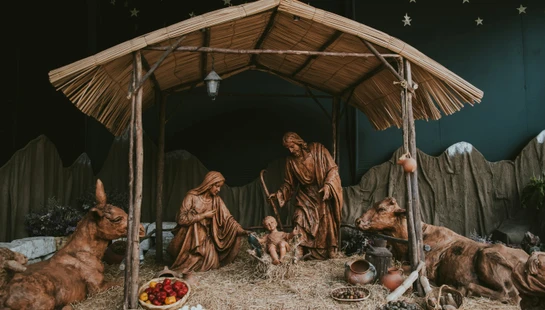
Christmas (Pasko)
Simbang Gabi, parols, and Noche Buena
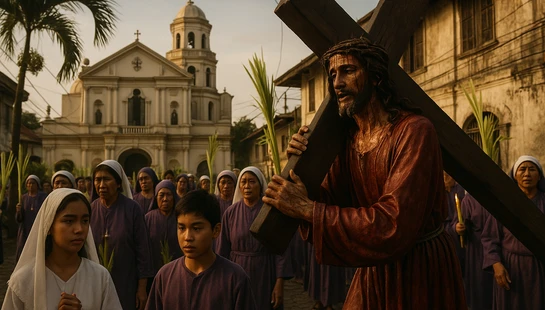
Holy Week (Semana Santa)
Processions and reflections on Jesus’ life
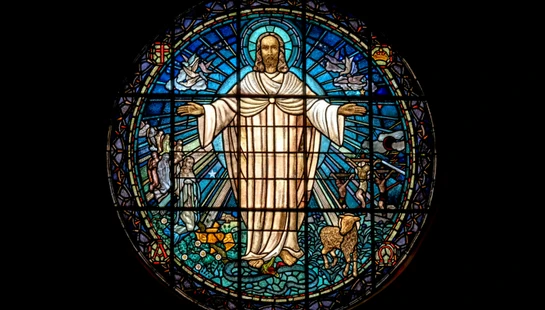
Easter Sunday (Pasko ng Pagkabuhay)
Joyful “Salubong” celebration at dawn
How Filipino Catholics Live, Pray, and Celebrate Their Faith
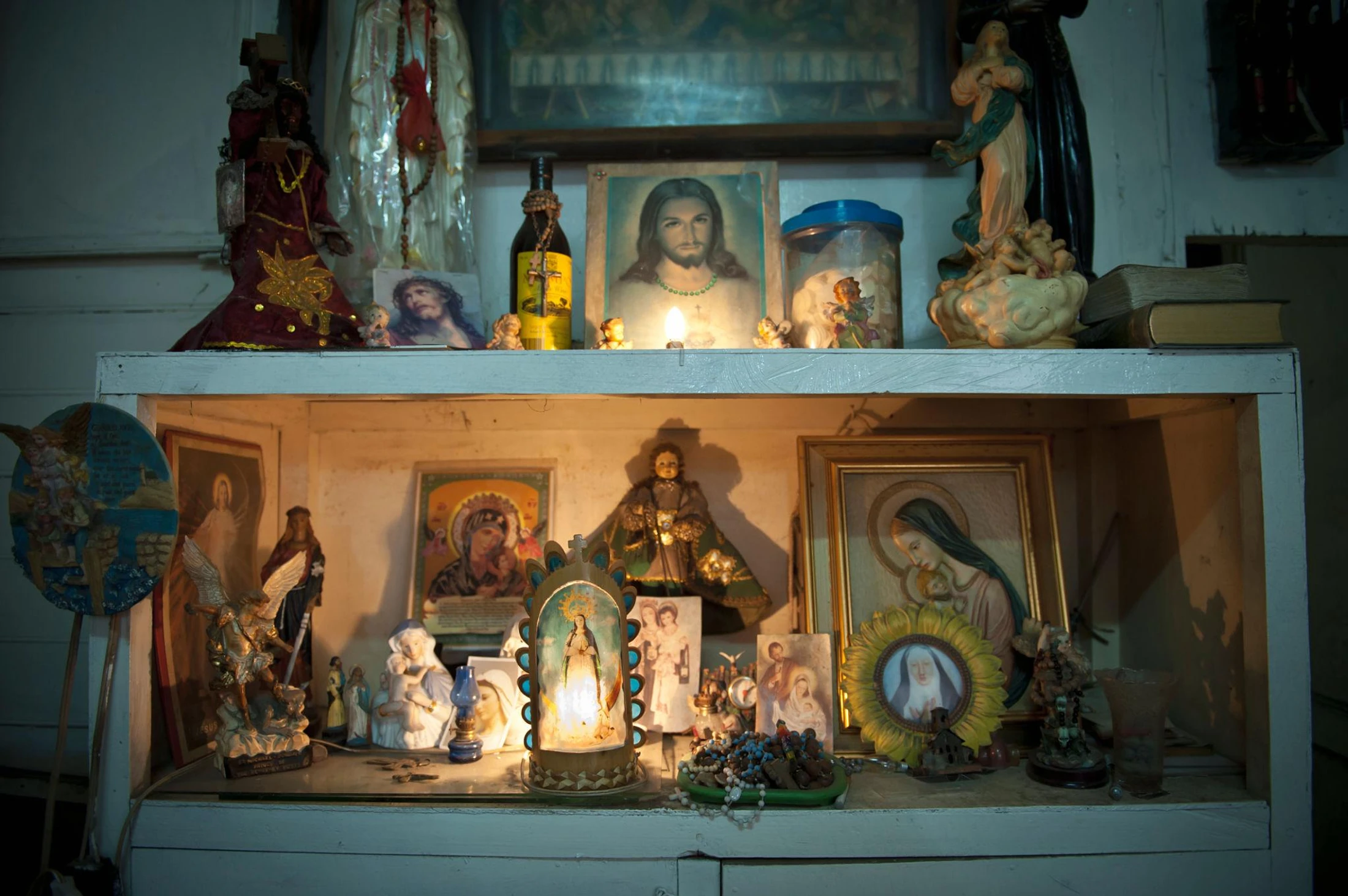
The Philippines is the only predominantly Catholic country in Asia, and this strong faith tradition has traveled across the world as Filipino families migrated abroad, bringing their churches, devotions, and Catholic values with them and helping communities everywhere keep Filipino faith and culture alive.

A panata is a personal promise or devotion that someone makes to God, Jesus, or a saint.
It usually means choosing to do something — like praying, joining a religious procession, or making a sacrifice — as a way of showing faith, gratitude, or asking for help.
💬 In Simple Words
A panata is like saying: “I will do this because of my faith.”
People often make a panata when:
they are praying for something important
they are thankful for blessings received
they are asking for guidance or healing
In the Philippines, many Catholics take a panata seriously and follow it every year or for a long time.
Examples include:
walking barefoot during the Black Nazarene procession
attending Simbang Gabi every day before Christmas
helping with church activities or volunteering
praying the rosary daily
joining religious processions or fiestas
🌟 Why It Matters
A panata is not just about following rules — it’s about:
showing love and faith
staying hopeful during hard times
feeling connected to God and community
Someone might say:
“My panata is to walk with the Black Nazarene every year because my family was blessed.”
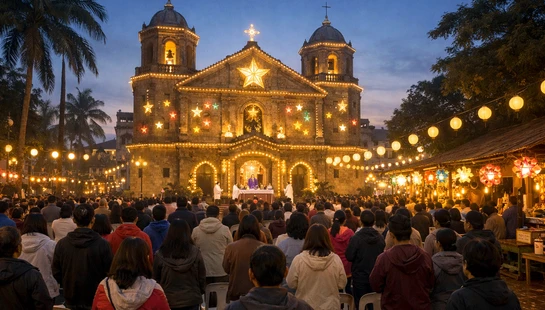
Simbang Gabi (seem-BAHNG GAH-bee)is a beloved Filipino Catholic Christmas tradition made up of nine early-morning Masses held in the days leading up to Christmas, usually from December 16 to December 24. It is one of the most cherished spiritual and cultural practices in the Philippines and among Filipino communities worldwide.
✨ What It Means
“Simbang” comes from the Filipino word simba, meaning to attend Mass.
“Gabi” means night, since the tradition originally involved pre-dawn or nighttime worship.
⛪ What Happens During Simbang Gabi
Masses are usually held very early — around 4–6 AM.
Churches are often decorated with parol (Filipino Christmas lanterns) and festive lights.
Families attend together as part of spiritual preparation for Christmas.
After Mass, people traditionally enjoy Filipino breakfast treats like bibingka and puto bumbóng sold outside the church.
For many Filipino families — especially in the diaspora — Simbang Gabi is more than a religious practice:
It strengthens faith and community
Connects younger generations to Filipino heritage
Builds anticipation and joy leading to Christmas
Becomes a shared family memory year after year
The Philippines has many Catholic religious festivals because Spanish missionaries introduced Catholicism during colonization, and Filipinos embraced it by combining faith with strong community traditions, celebrations, and devotion to patron saints.