🇵🇭 National Symbols and Cultural Icons of the Philippines

Discover the powerful symbols and cultural icons that represent the history, identity, and pride of the Filipino people.

National Symbols of the Philippines

optimizing

National Flag

Blue for peace, red for courage, white triangle for equality, sun for freedom, and three stars for Luzon, Visayas, and Mindanao.
optimizing

National Bird
Philippine Eagle

One of the largest and rarest eagles in the world, symbolizing strength and freedom.
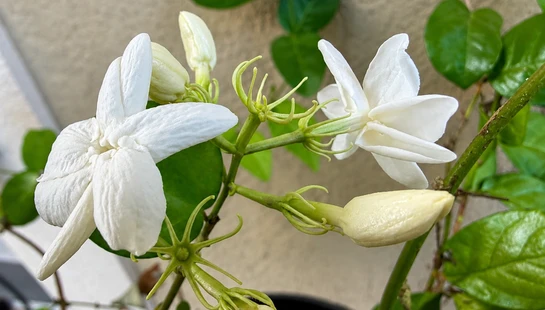
A close-up shot of a jasmine vine with delicate white star-shaped flowers in full bloom and several unopened creamy-white buds among green leaves.

National Flower
Sampaguita

A small white jasmine flower that represents purity and humility.
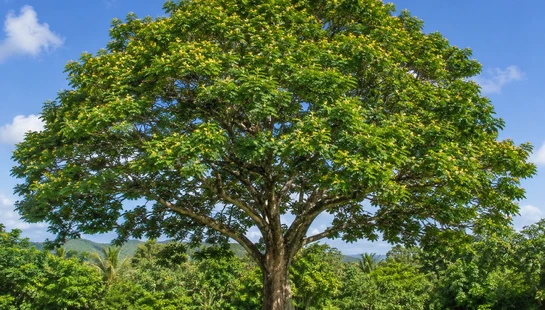
A very large tree with a wide, leafy green canopy stands alone in a mown grass field under a bright blue sky with a few fluffy white clouds.

National Tree
Narra

A strong hardwood tree symbolizing resilience and nobility.

optimizing

National Animal
Carabao

A hardworking water buffalo representing strength and perseverance.
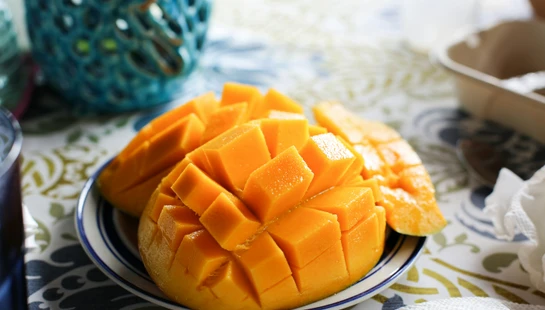
National Fruit<br><i>Philippine Mango

National Fruit
Philippine Mango

Known for being one of the sweetest mangoes in the world.

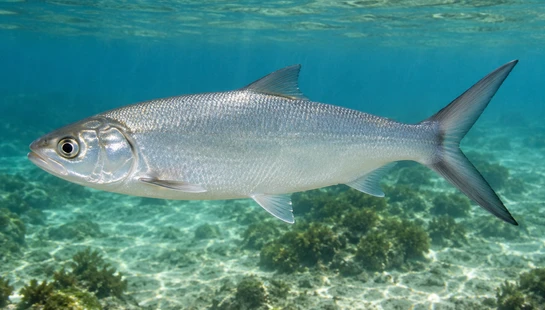
A side profile of a large, silver bonefish swimming from left to right in clear, shallow turquoise water over a sandy and rocky seabed.

National Fish
Bangus

Also called milkfish, a staple in Filipino cuisine.
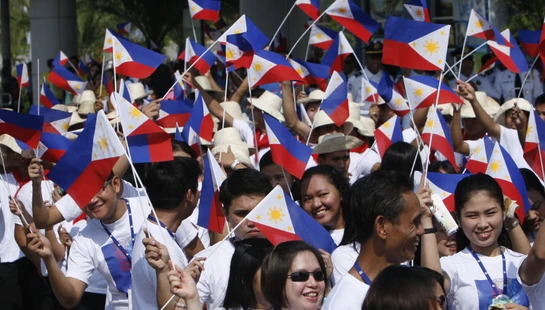
National Anthem<br><i>Lupang Hinirang

National Anthem
Lupang Hinirang

The official national anthem of the Philippines.

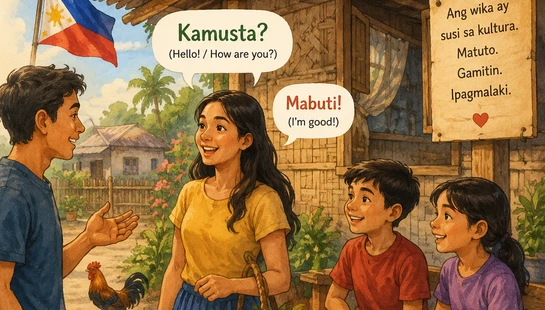
An illustration of Filipino people in a rural village greeting each other in Tagalog, with a Filipino flag and a sign about language pride in the background.

National Language
Filipino

Based primarily on Tagalog and recognized as the national language.
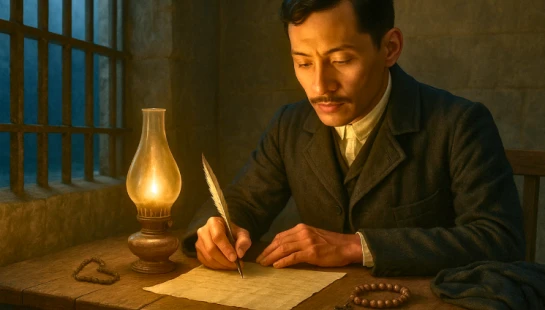
A portrait of José Rizal in a prison cell, writing with a quill pen at a wooden desk by the light of an oil lamp, with rosary beads laid next to him.

National Hero (Widely Recognized)
José Rizal

Writer and reformist whose works inspired the Philippine Revolution.

Transportation

optimizing

Jeepney

The colorful public vehicle known as the “King of the Road.” It reflects Filipino creativity and resilience after World War II.
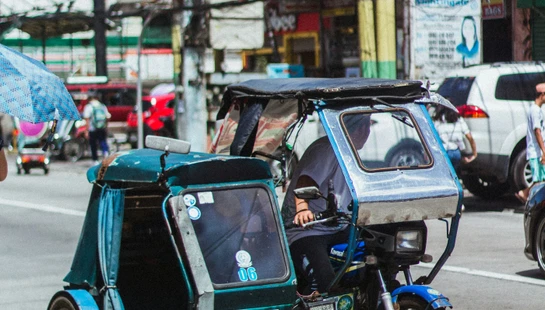
Tricycle

Tricycle

A motorcycle with a sidecar used for short rides in towns and neighborhoods.
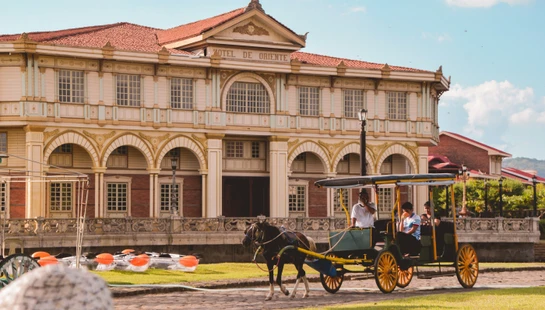
Kalesa

Kalesa

A traditional horse-drawn carriage still seen in historic areas like Intramuros.
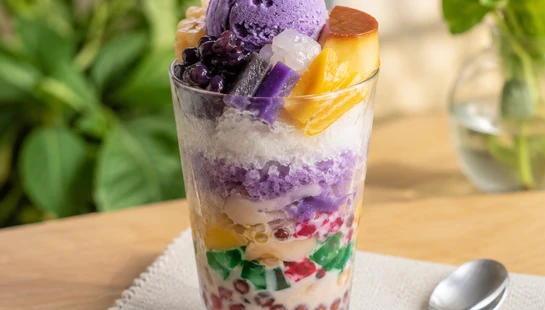
Food & Everyday Favorites

A tall glass of halo-halo with layers of sweet beans, jellies, shaved ice, and milk, topped with a scoop of ube ice cream and a slice of leche flan.

Halo-halo

A popular dessert made with shaved ice, sweet beans, fruits, leche flan, and ice cream.
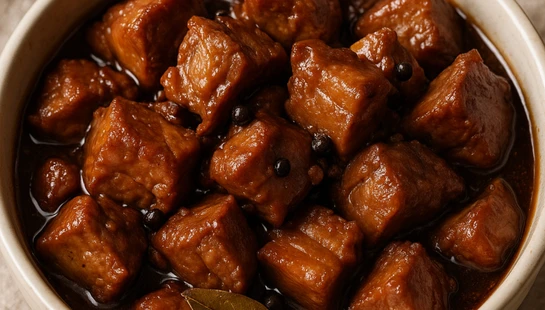
Adobo

Adobo

A classic dish cooked with soy sauce, vinegar, garlic, and spices.

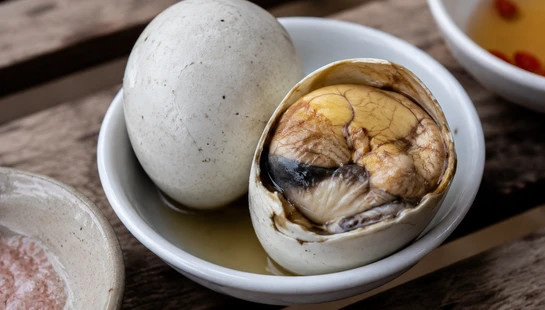
Balut

Balut

A fertilized duck egg snack that is both famous and uniquely Filipino.
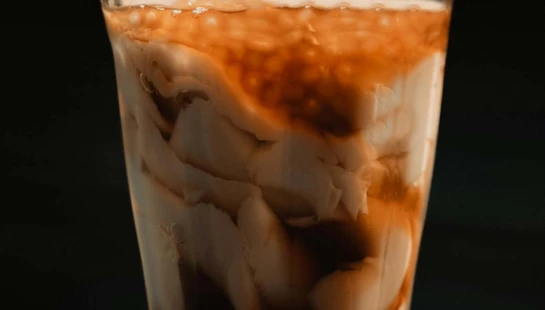
A close-up shot of a glass filled with taho, showing layers of soft white tofu, dark brown arnibal syrup, and sago pearls against a dark background.

Taho

A warm snack made of soft tofu, arnibal syrup, and sago pearls.

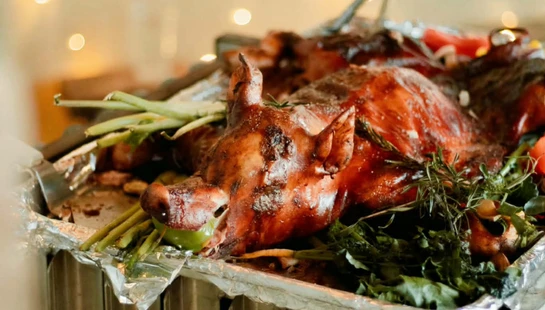
A whole roasted pig with crispy skin on a foil platter, garnished with green herbs and vegetables, with warm bokeh lights in the background.

Lechon

A whole roasted pig often served at major celebrations.
Celebrations & Community

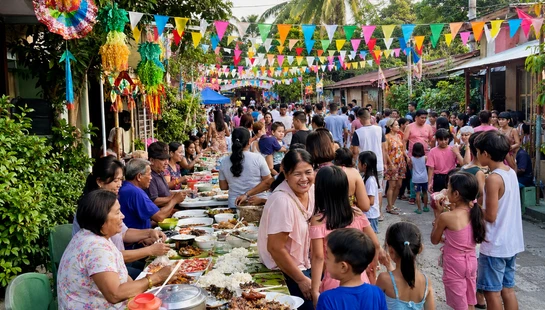
A large crowd of people celebrating a fiesta on a village street, gathered around a long table laden with food under colorful flags and decorations.

Barangay Fiesta

A town celebration honoring a patron saint with food, music, and parades.
Parol

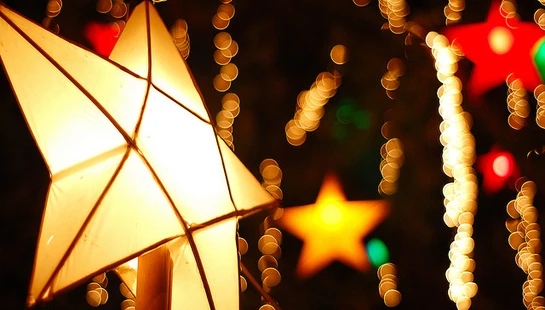
Parol

A star-shaped Christmas lantern that symbolizes hope and faith.

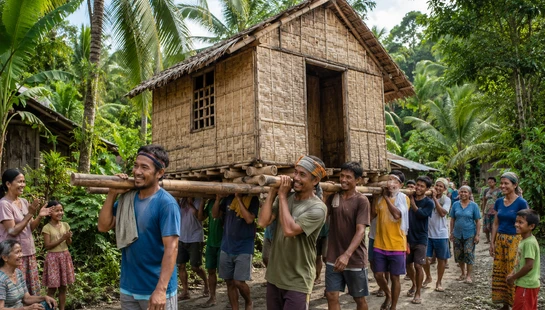
A large group of smiling villagers in the Philippines carry a bamboo house on their shoulders, demonstrating the community spirit of Bayanihan.

Bayanihan

The Filipino spirit of helping one another as a community.

Entertainment & Games

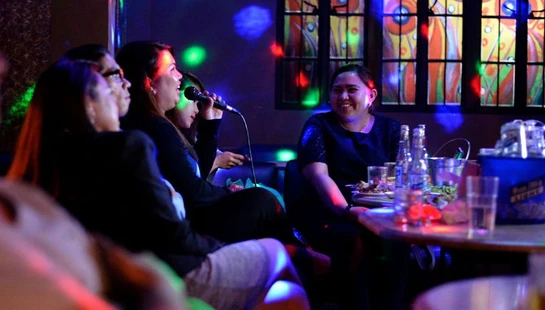
Karaoke

Karaoke

A favorite Filipino pastime at parties and family gatherings.

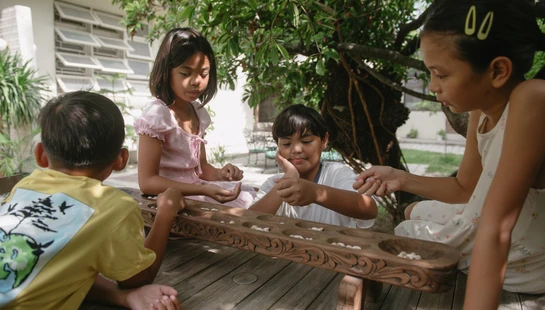
Four children gather around a wooden table in a yard, intently playing a traditional carved wooden board game, known as Sungka or Mancala.

Sungka (Mancala)

A traditional board game played with shells or stones.

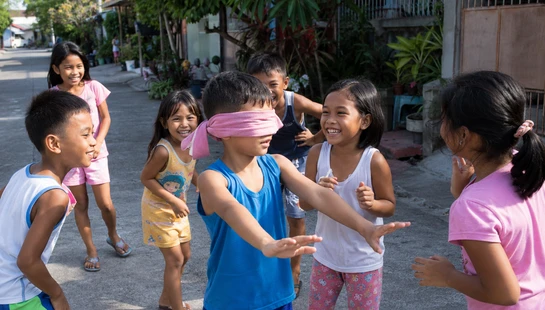
A group of happy children play a game on a paved street. One boy is blindfolded with a pink cloth and reaches out as his friends laugh and dodge him.

Palarong Pinoy

Classic Filipino street games played by children.

Everyday Life

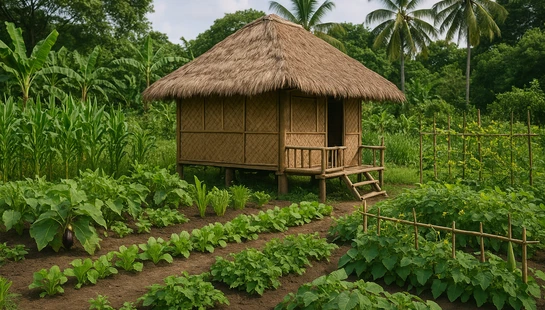
Bahay Kubo

Bahay Kubo

A traditional nipa hut made of bamboo and palm leaves.

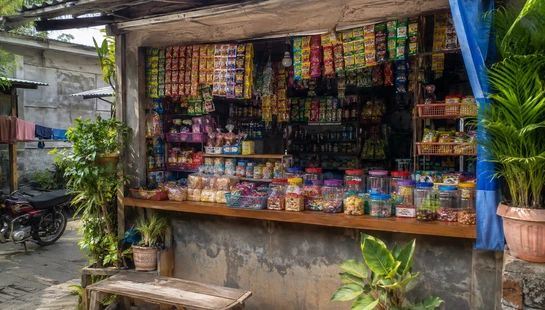
A small, open-front roadside shop in a village, packed with colorful snacks, bread, and jars of candy. A wooden bench sits in front of the concrete stall.

Sari-sari Store

A small neighborhood convenience store found in almost every barangay.
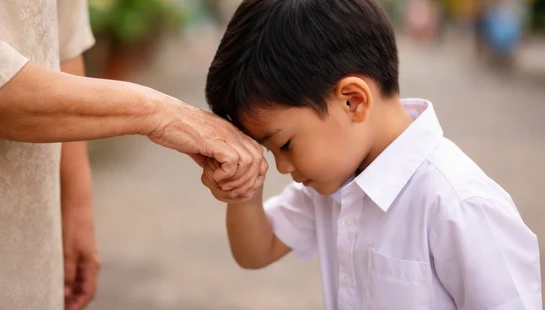
A young Asian boy in a white shirt bows his head, touching it to an elder's hand in a traditional gesture of respect.

Mano Po

A traditional gesture of respect where a younger person takes an elder’s hand to their forehead.
Cultural Expression

optimizing

Barong Tagalog

A traditional embroidered formal shirt worn during special occasions.

optimizing

Baro’t Saya

Traditional Filipino attire worn by women.

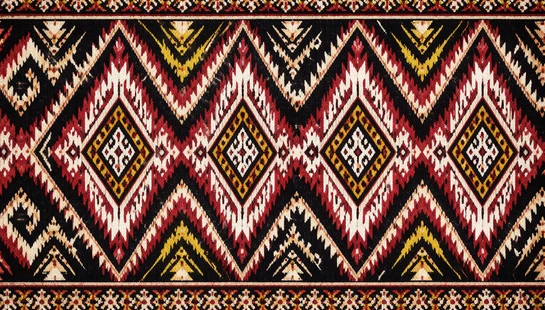
A close-up of a woven textile with a symmetrical pattern of red, white, and yellow diamonds and zigzags on a black background, framed by decorative borders.

Handwoven Textiles

Traditional fabrics such as Inabel and T’nalak that showcase regional craftsmanship.
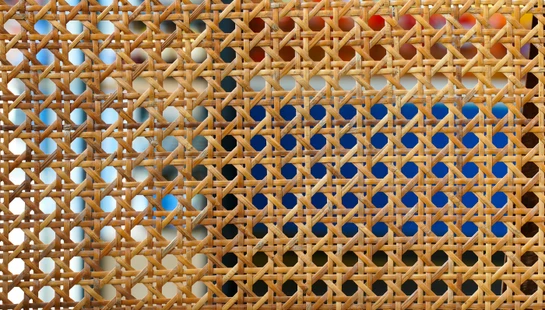
Rattan Weaving

Rattan Weaving

Filipinos weave rattan into baskets, furniture, and other useful items.