Filipino History

The story of the Philippines is full of bravery, struggles, and celebrations. Let’s take a journey through history to see how the Filipino people grew and became the nation we know today! 

Pre-Colonial Societies&nbsp;<br>(Barangays &amp; Datus)

Pre-Colonial Societies 
(Barangays & Datus)

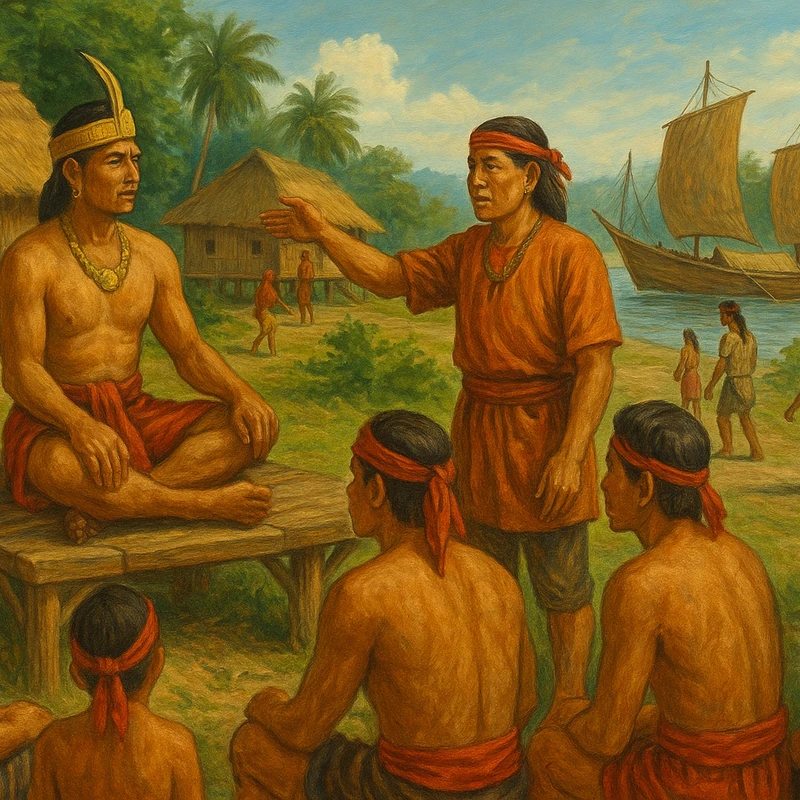
Before other countries came, Filipinos already lived in organized communities called barangays. Each barangay had a leader called a datu, who made decisions, settled disputes, and protected the people.

 • Communities: People lived near rivers, seas, and mountains.
 • Trading: Filipinos traded with Chinese, Arabs, and neighbors long before colonizers arrived.
 • Fun Fact: The word barangay comes from balangay, a type of boat. Families used these boats to settle in new places!
Spanish Colonization (1521–1898)

Spanish Colonization (1521–1898)

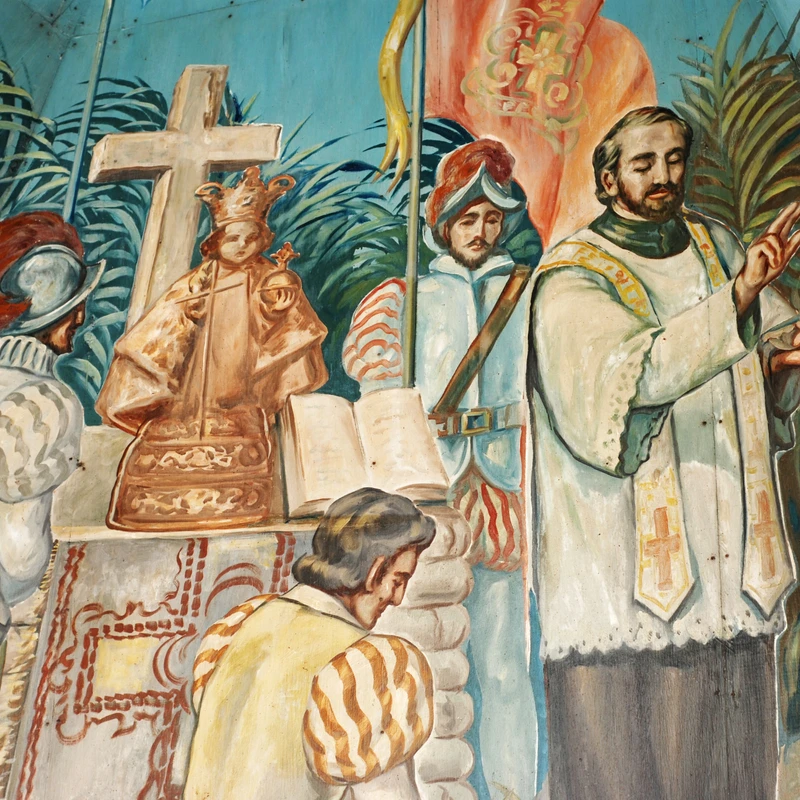
When the Spanish arrived, life in the Philippines changed for hundreds of years.

 • Christianity: The Spanish introduced Roman Catholicism, which many Filipinos still practice today.
 • Town Life: Plazas, churches, and fiestas became part of daily life.
 • Colonial Rule: Spaniards controlled politics, land, and trade.
 • Fun Fact: The Philippines was named after King Philip II of Spain.

The Philippine Revolution

The Philippine Revolution

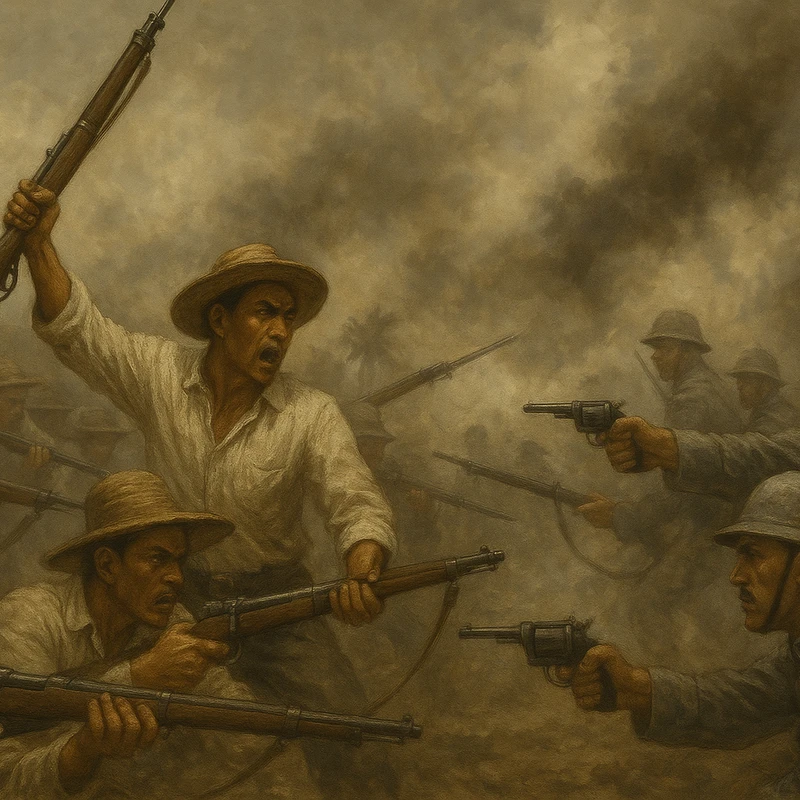
Filipinos grew tired of being under foreign powers. Heroes like José Rizal, Andrés Bonifacio, and Emilio Aguinaldo fought for freedom.

 • Katipunan: A secret group that planned the revolution.
 • 1898: The Philippines declared independence from Spain. 
 • Fun Fact: The Philippine flag was first raised on June 12, 1898—now celebrated as Independence Day!


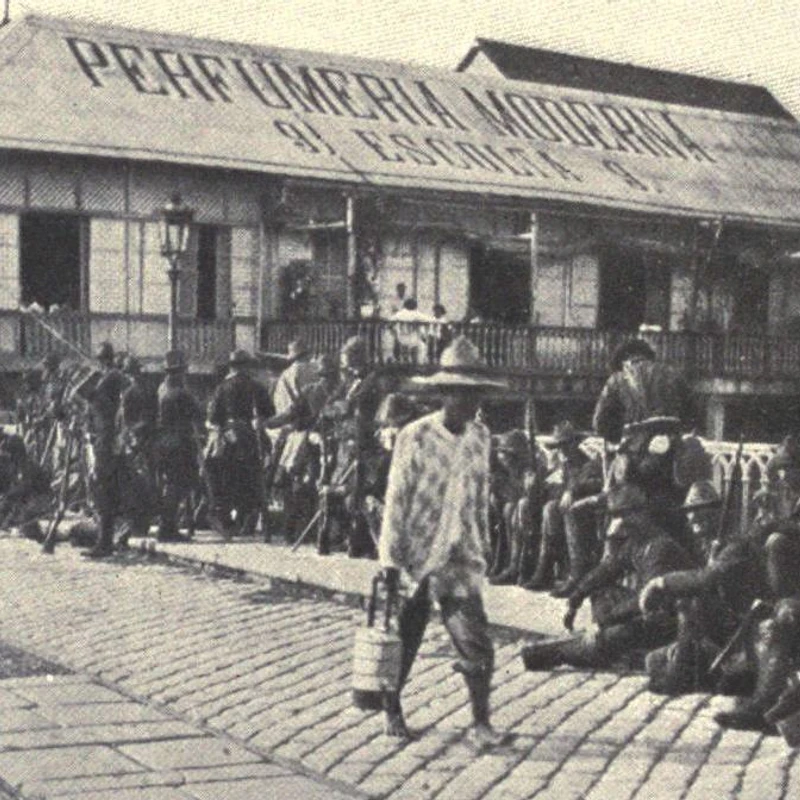
A black and white historical photo of American soldiers resting on a cobblestone street in Manila. A Filipino man walks past them in front of a building.

American & Japanese Occupations

After Spain left, two new powers came into the Philippines: the United States and later, Japan during World War II.

 • American Period  (1898 – 1946): Brought English schools, public education, and new roads. 
 • Japanese Period (1942 – 1945): Life was very hard. Filipinos resisted bravely during the war.
 • Fun Fact: English became widely spoken because of the American influence. Today, many Filipinos can speak both English and Filipino!

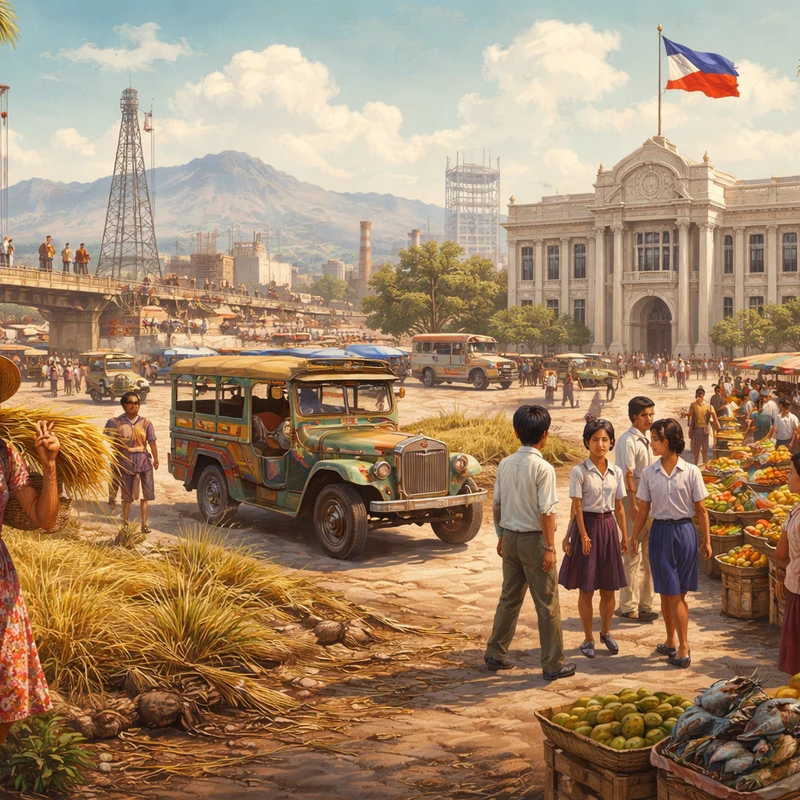
A detailed illustration of a vibrant street market in the Philippines, with a jeepney, farmers, and a grand building with the national flag in the background.

Early Republic & Nation-Building (1946–1957)

After gaining independence from the United States, the Philippines began rebuilding after World War II and forming its identity as a free and self-governing nation.

  • Rebuilding the Nation: Cities, farms, and communities were restored after the war.

  • Self-Government & Identity: Filipinos led their own government while balancing democracy, national pride, and foreign influence.

  • Fun Fact: Independence Day was originally celebrated on July 4 and was moved to June 12 in the 1960s.

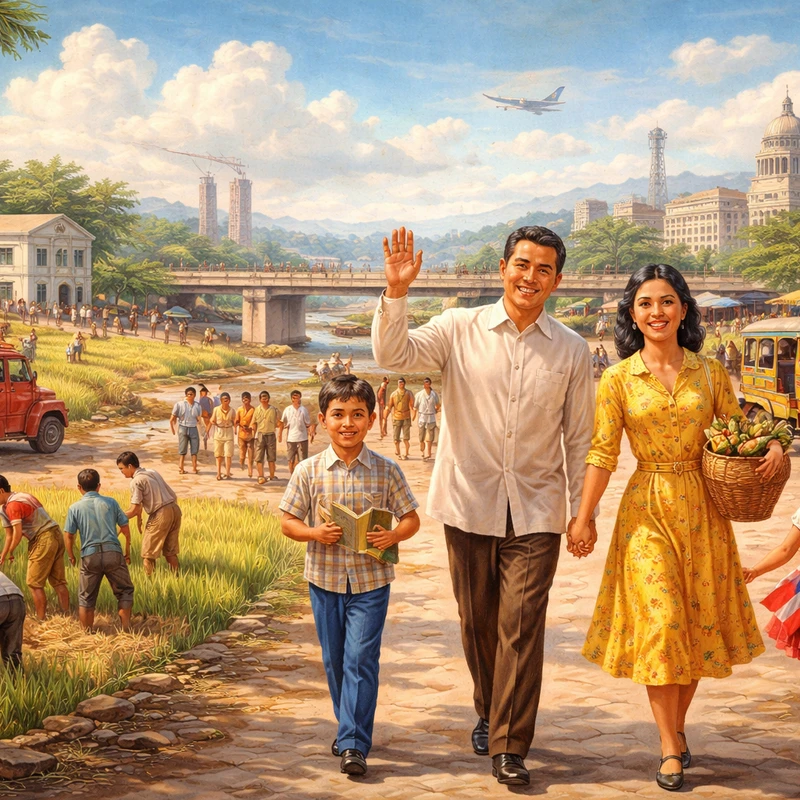
A painting of a smiling Filipino family walking, with a backdrop showing rural farm work, a bustling city market with a jeepney, and urban construction.

Stability & Reform (1953–1965)

After the early rebuilding years, the Philippines focused on becoming more stable by strengthening democracy, growing the economy, and improving daily life through more honest government and development.

  • Trust & Honest Leadership: Leaders focused on integrity and earning the trust of the people while strengthening democracy.
  • Supporting Farmers & Local Industry: The government worked to improve rural life, promote land reform, and encourage support for Filipino-owned businesses.
  • Fun Fact: President Ramon Magsaysay kept Malacañang Palace open to ordinary citizens, even allowing people to bring concerns without appointments.
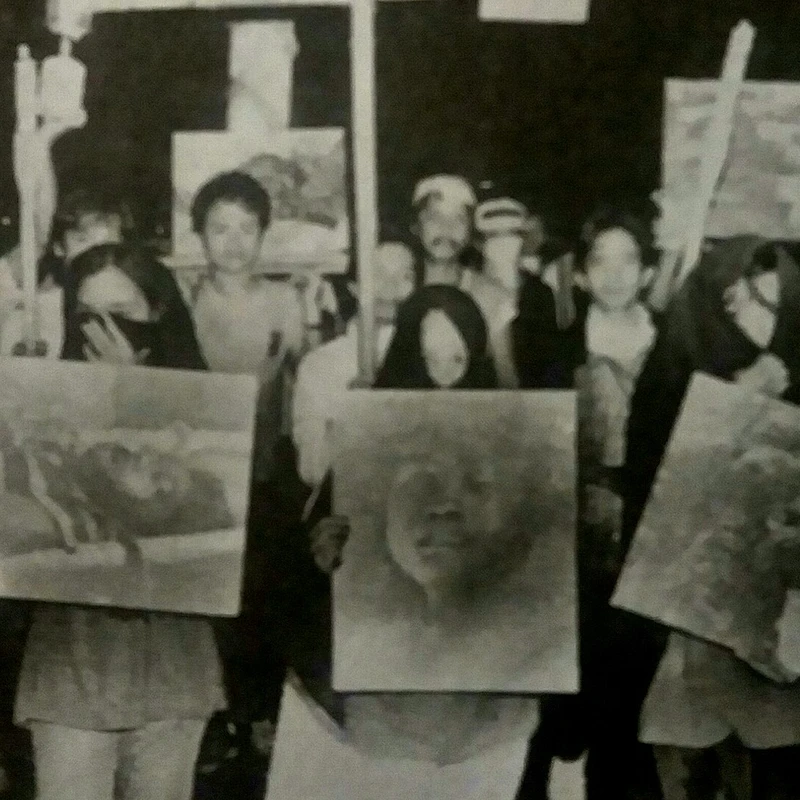
A grainy, black and white photo of a group of people, mostly women, marching at night. They hold up signs with portraits, likely of victims or missing persons.

Rising Tensions & Social Unrest (1965–1972)

As the Philippines tried to grow and develop quickly, money problems and political disagreements increased, leading to protests, more inequality, and unrest that put pressure on the country’s democracy.

  • Development and Debt: The country built many roads and projects, but also borrowed a lot of money and went into debt.
  • Corruption and Unrest: Many people worried about corruption and leaders having too much power, and violence and protests increased, leading to Martial Law.
  • Fun Fact: In the late 1960s, Filipino students helped lead huge peaceful protests, using posters, poetry, and street art to call for change.
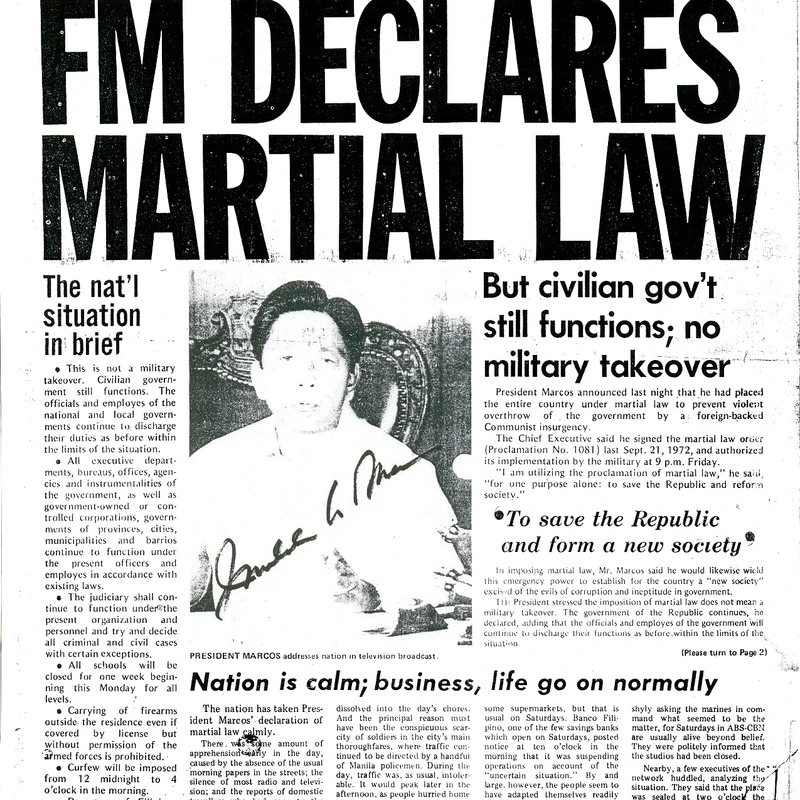
Front page of the Philippines Sunday Express from Sept 24, 1972. The headline reads 'FM DECLARES MARTIAL LAW' over a photo of President Ferdinand Marcos.

Martial Law & People Power

On September 21, 1972, President Ferdinand Marcos declared Martial Law, a time when freedoms were limited. Many Filipinos bravely spoke out for their rights.

 • Martial Law: Curfews, censorship, and protests marked this period.
 • People Power Revolution (1986): Millions of Filipinos came together peacefully to demand democracy. 
 • Fun Fact: The peaceful protest was so powerful, it inspired other countries to fight for freedom too!

Modern Nationhood

Modern Nationhood

Today, the Philippines is a free nation made up of over 7,000 islands, each with unique traditions and cultures.

 • Diversity: Filipinos speak many languages and celebrate colorful festivals. 
 • Democracy: Citizens vote for leaders and continue to shape the country’s future.
 • Global Filipinos: Millions of Filipinos live around the world, sharing food, music, and traditions with new friends.
 • Fun Fact: The Philippines is the world’s largest exporter of nurses, caring for people all over the globe.